Fishing a Black Salty in Fresh and Salt Water
One farm-raised baitfish that the farm built to work in the lake on Saturday and the Gulf on Sunday.
October 27, 2026 · 3 min read
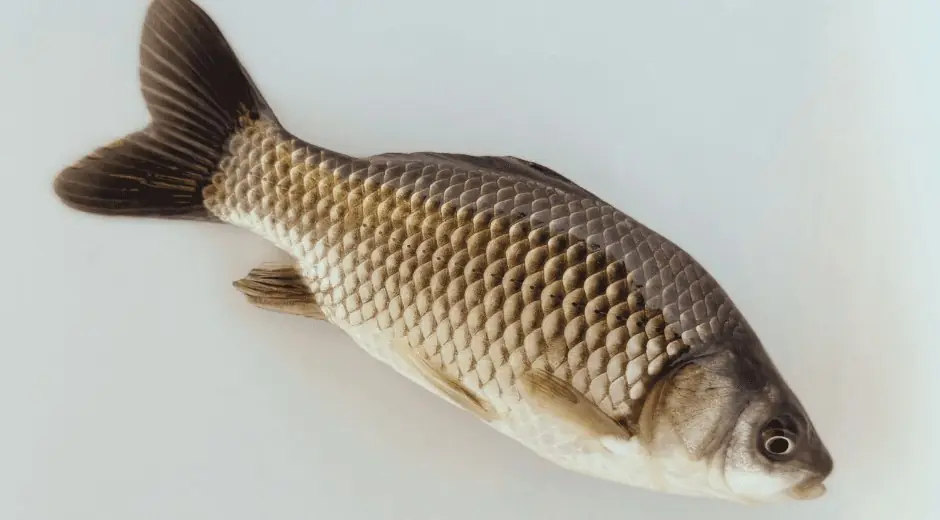
Most live bait belongs to one world or the other. Shiners and fatheads are freshwater fish, and a freshwater minnow dropped into salt water has a short, unhappy day. The Black Salty was built to cross that line. It's a baitfish raised at the farm in Lonoke, Arkansas, and the farm describes it as scientifically developed, farm-raised and patented. Neal Anderson created it, and the farm's species guide calls it his "innovative, all-purpose brainchild." The pitch is simple: one bait for the lake and the bay.
Freshwater targets
On the freshwater side, the farm lists largemouth bass, catfish, striped bass and hybrid stripers. All four are predators that hunt baitfish, and live bait is among the oldest ways to fish for them. A live fish working on a hook sends out the flutter and pressure signals these predators key on, which is the whole reason anglers pay for live bait instead of throwing plastic. You rig a Black Salty the way you'd rig any live bait for those species, and you let it swim.
Salt water targets
The salt water list is longer. Offshore in the Gulf and the Atlantic, the farm names king mackerel, cobia, red snapper, dorado and tuna. In the bays, it names speckled trout, redfish and flounder. That's a wide spread of fish, from bottom ambushers to open-water speedsters, and the farm's explanation for it is one line: "It's a fact: If it eats baitfish, it will eat a Black Salty."
Read that as the farm's claim about its own product, not a guarantee of a bite. Tide, weather and presentation still decide the day. What the list tells you is where the farm has aimed the bait: the common inshore and offshore targets, plus the freshwater species that many anglers fish for most.
Choosing a size
The farm sells Black Salties in three sizes and describes them as inshore, offshore and XL Magnum. Here are the counts and lengths from its species guide, all of them approximate:
- Small: about 30 per pound, 2 to 3½ inches long.
- Large: about 15 per pound, 3½ to 5 inches long.
- XLarge: about 9 per pound, 5 to 7 inches long.
Match the bait to the mouth. Bay fish like speckled trout and flounder generally take smaller baits, and the small size suits that kind of fishing. Bigger predators take bigger baits, which is where the large and extra large come in. At nine to the pound, the XL is a serious piece of bait, and the count per pound tells you how many fish a day on the water will take. If you plan on a long trip, do the math before you order, and then order a few more than the math says.
Keeping them alive for days
A bait that dies in the bucket is money down the drain, so it's worth knowing what the farm says about holding. Its species guide says Black Salties keep alive "for days, and even weeks" with clean freshwater and bubble aeration. Those two conditions are the whole recipe, and neither one is exotic.
Clean freshwater means treating city water to remove chlorine and chloramine first, the same as with any live fish. Bubble aeration means an air pump and an air stone running the whole time, not an occasional stir. Keep the container out of the sun, because heat is the fastest way to lose fish, and don't overcrowd it. Fewer fish in more water is a safer bet than the reverse. Remove any that die so they don't foul the rest. The farm sells a portable air pump, an air stone, airline tubing, a pocket thermometer and a dip net, so you can set all of it up with one order.
Getting one on the hook
How you hook a live bait changes where it swims and how long it lasts. A common approach is through the lips, which lets the bait swim freely and suits casting, drifting or slow trolling. Hooked just behind the dorsal fin, a bait tends to stay lively and work downward, which suits bottom rigs. Use the lightest weight that does the job, since a tired bait is a poor bait.
The farm ships live fish from Lonoke on Mondays and Thursdays, and an order needs to be in by 10:00 a.m. Central on the shipping day. For salt water questions, the farm lists a dedicated line, 1-877-GO-SALTY (1-877-467-2589), and its main number is 1-800-20-MINNO (1-800-206-4666).
Anderson Minnow Farm, 1-800-206-4666
Call 1-800-206-4666