The farm and the family
Four generations of Andersons on one stretch of US-70.
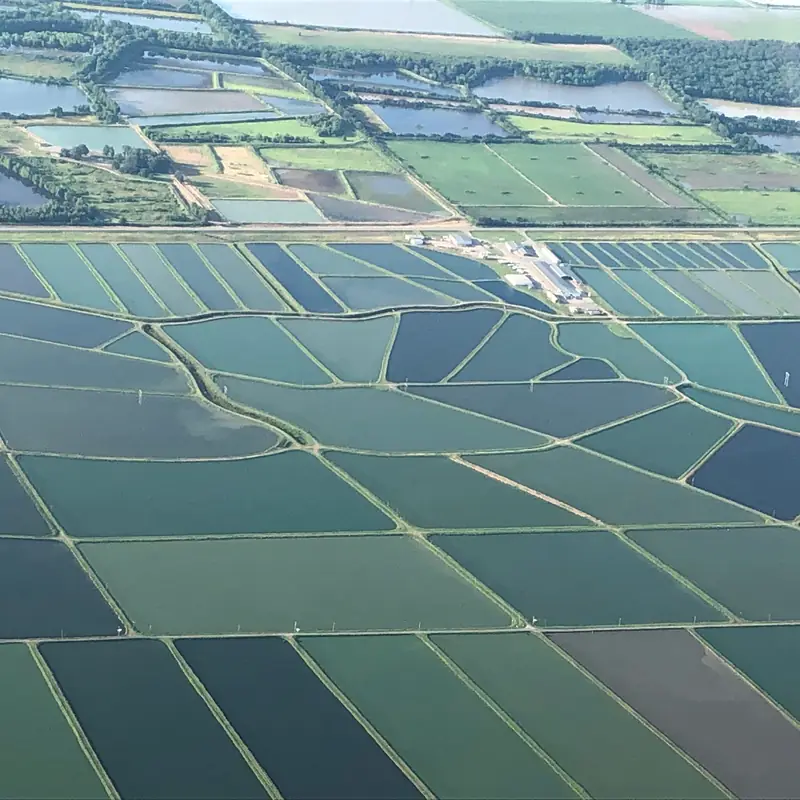
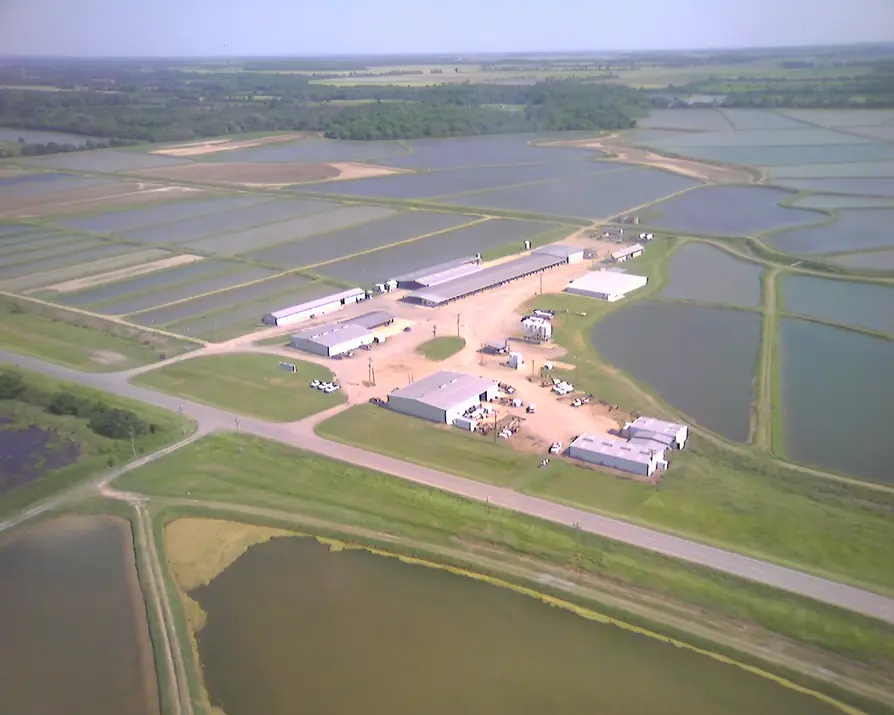
It started with a truck and a route. In the early 1940s Andy Anderson hauled bait fish from Mississippi through Memphis to Lonoke, and in 1949 the family put down roots on the flat, well-watered ground just west of town. Today the farm raises more than a billion minnows a year.
What they raise is on the fish and supplies page. This page is about who raises it, and how.
The register
Who has run the farm, in order.
Five entries, four generations, one address.
Early 1940s
Andy Anderson, on the road
I.F. “Andy” Anderson ran a bait-fish route from Mississippi up through Memphis to Lonoke, Arkansas.
1949
The farm is planted
The family settled in Lonoke for good. The land was flat and the groundwater plentiful, and the farm has stayed on that same stretch of US-70 ever since.
Neal
Neal Anderson, the Black Salty
Andy’s son Neal came next. He created the Black Salty, a patented, farm-raised baitfish that works in fresh and salt water. You can read about it on the Black Salty page.
Jamie
Jamie Anderson, today
Jamie started on the farm at 12 and studied agricultural business at the University of Arkansas, graduating in 1998. He is vice president of I.F. Anderson Farms, and the farm is run by him today.
Next
The fourth generation
Jamie’s sons are the next Andersons on the farm, which makes four generations of one family on one stretch of US-70.
Jamie Anderson, 501 LIFE Magazine, 2022
“It’s simple, hard work, hard work and hard work.”
Jamie is vice president of I.F. Anderson Farms and vice president of the National Aquaculture Association. He chairs the Arkansas Farm Bureau Aquaculture Committee, and on July 9, 2025 Governor Sarah Huckabee Sanders appointed him to the Arkansas Game and Fish Commission, for a term that runs through 2032.
- 3,400
- surface acres of ponds, producing more than 1 billion minnows a year, according to the Arkansas Game and Fish Commission.
- 11,000 sq ft
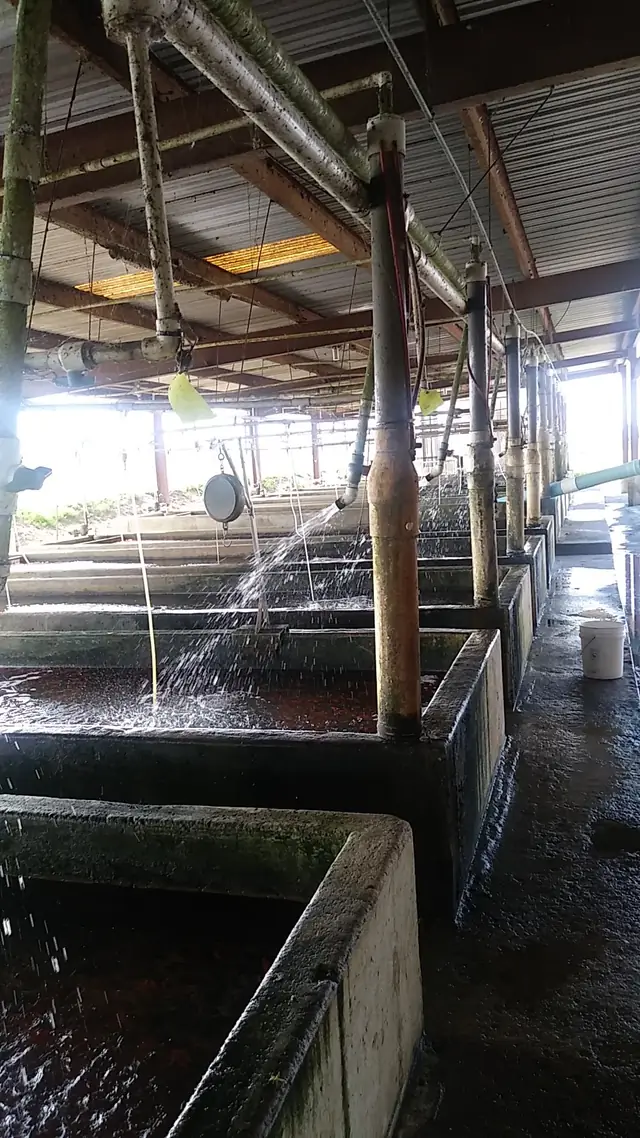
- of hatchery, built to produce over one billion fry per season.
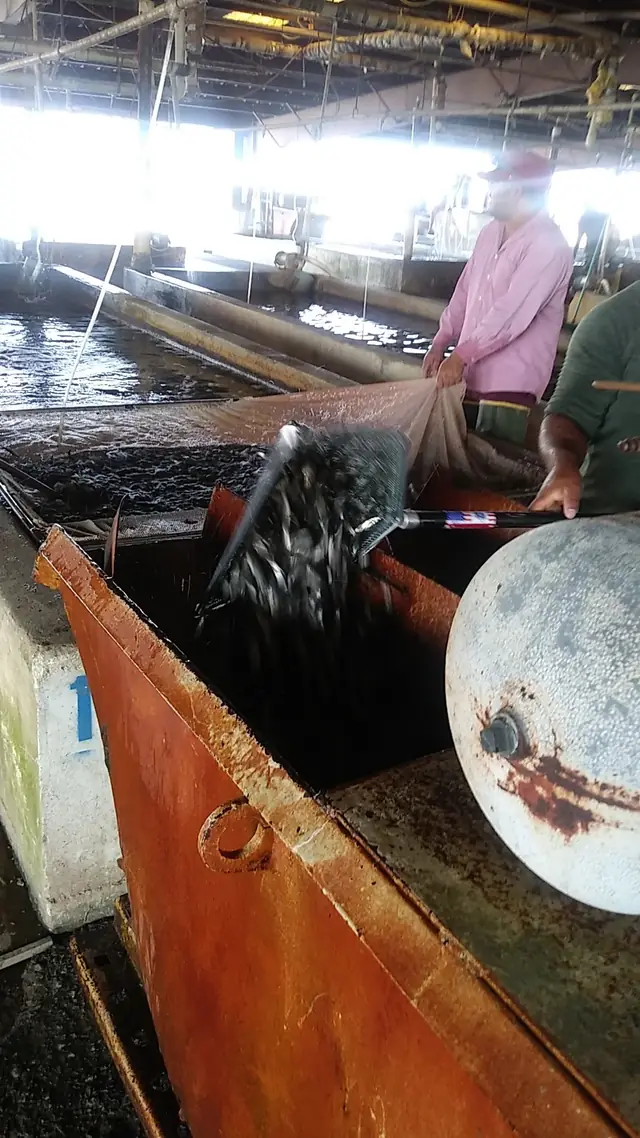
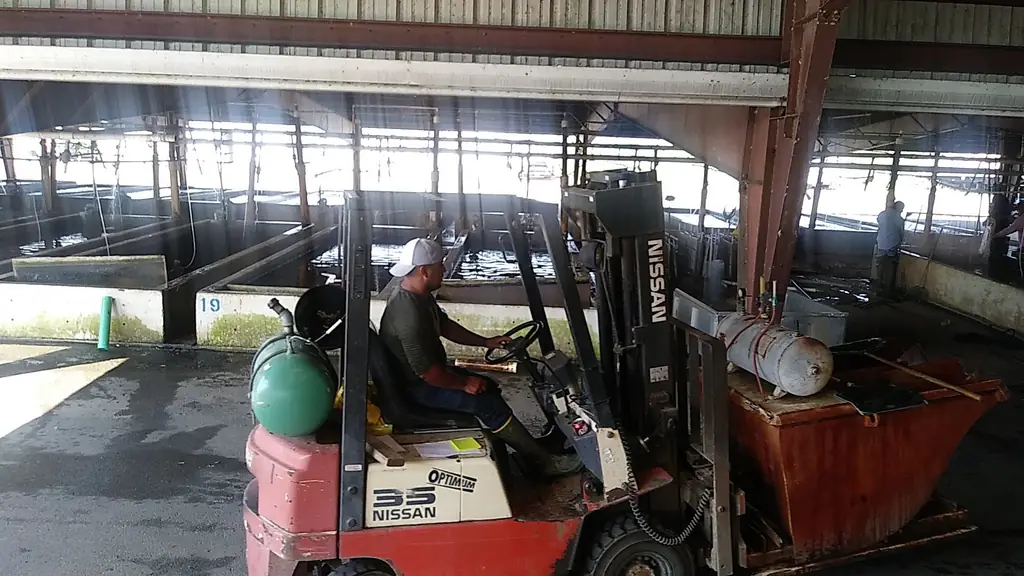
Hatchery and loading floor
Some of the crew have been here 25 to 30 years.
Jamie says it himself: some of the people who net, grade and load the fish have been with the business for 25 to 30 years. They are the reason a box that ships overnight arrives alive.
From pond to doorstep
How does a box of live fish get from Lonoke to you?
Carefully, and on a schedule. The step-by-step version, with ship days and the holding-tank checklist, lives on the shipping and care page.
01
Weighed on the forks
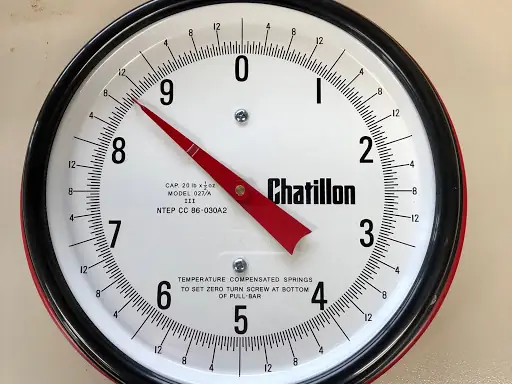
Loading runs on custom-made buckets and forklifts with digital scales built into the forks, which the farm says substantially reduces stress on the fish.
02
Loaded out of the rain
Trucks are loaded cleanly under a rainproof structure.
03
Hauled coast to coast
Martin’s Bait Hauling runs tractor trailers and bob trucks contracted to carry the farm’s fish across the country.
04
Overnight to the door
Orders go FedEx overnight direct to your doorstep, and the farm ships live fish to more than 40 states.
05
Fed from five million pounds
Feed storage and handling were upgraded to take five million pounds of feed a year, to keep pace with the hatchery.